Shatter
-
Posts
979 -
Joined
-
Last visited
-
Days Won
8
Content Type
Profiles
News
Forums
Blogs
Gallery
Events
Everything posted by Shatter
-

The Longest Thread (Misadventures)
Shatter replied to ElephantEarwax's topic in Forum Games & Random Stuff
well thats not depressing at all -
I just realized… You haven't read White Sand. Go do so. You should like it if you like WoF.
-
I hate seasonal depression. Rusting winter.
-
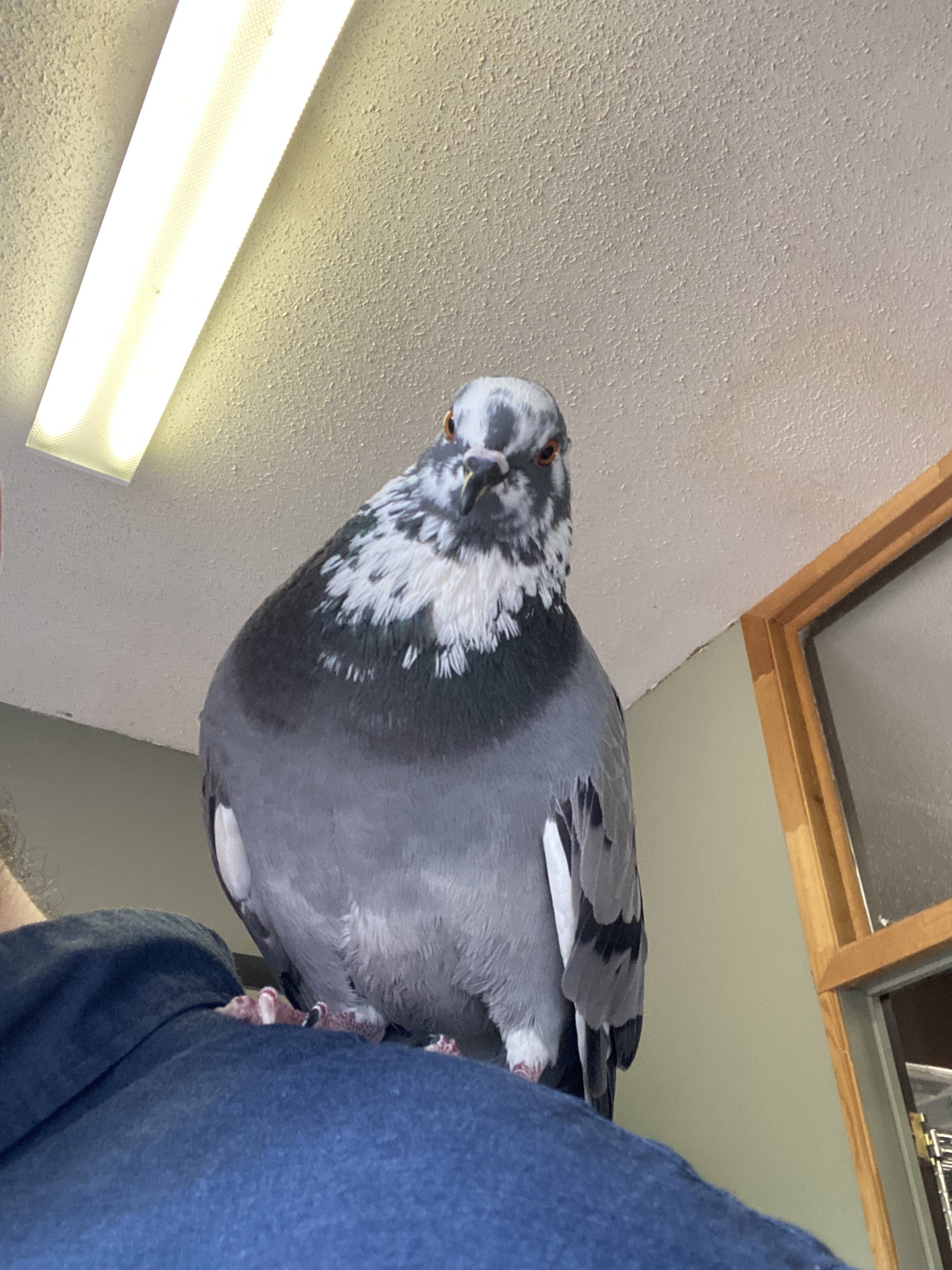
It turns out my pigeon, Herr Federflugüberwachungsbehördenleiter von Hochdachfenstersims, arrested them and took the Sandwich and gave it to @Through The Living Glass.
-
*NOM*
-
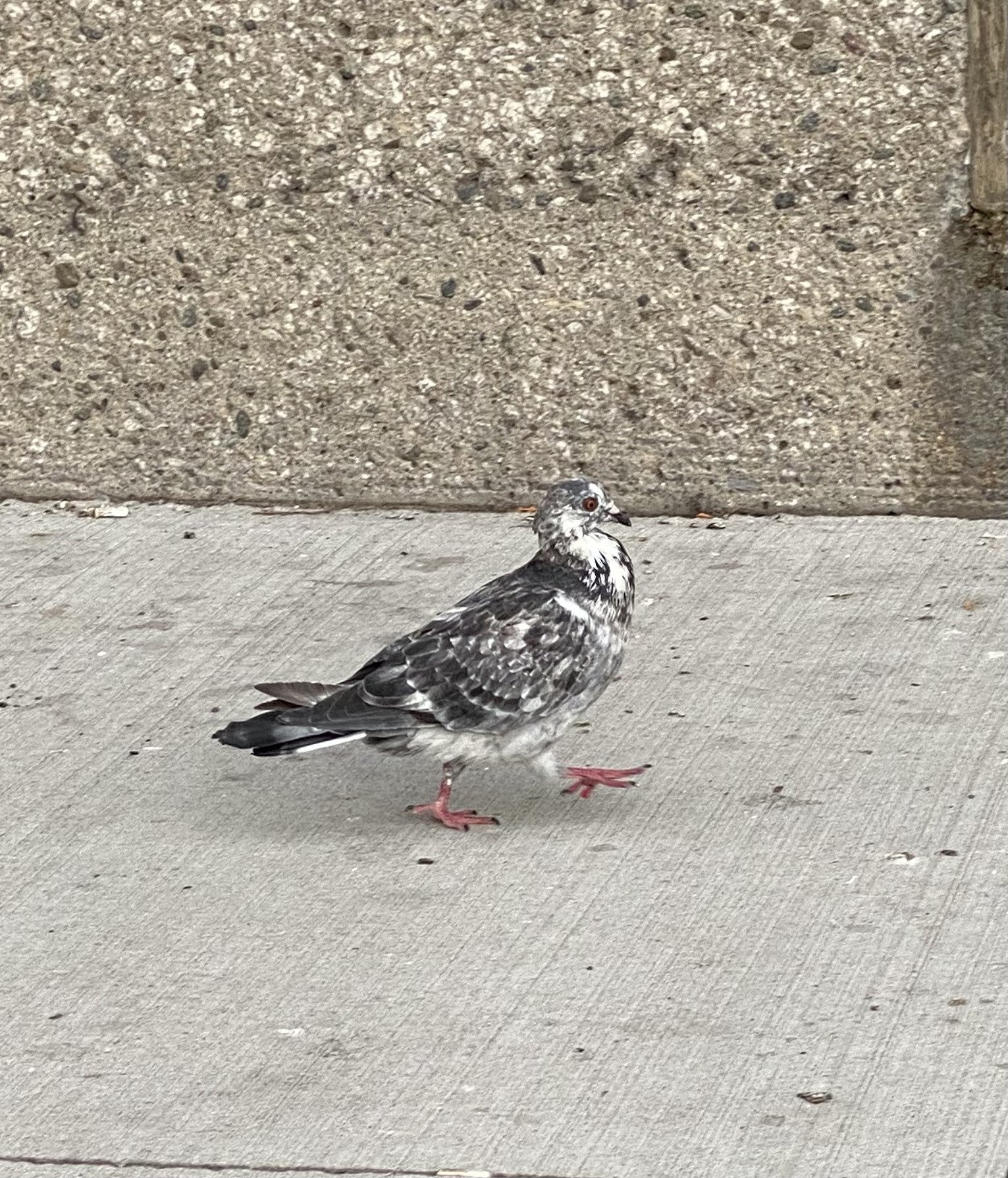
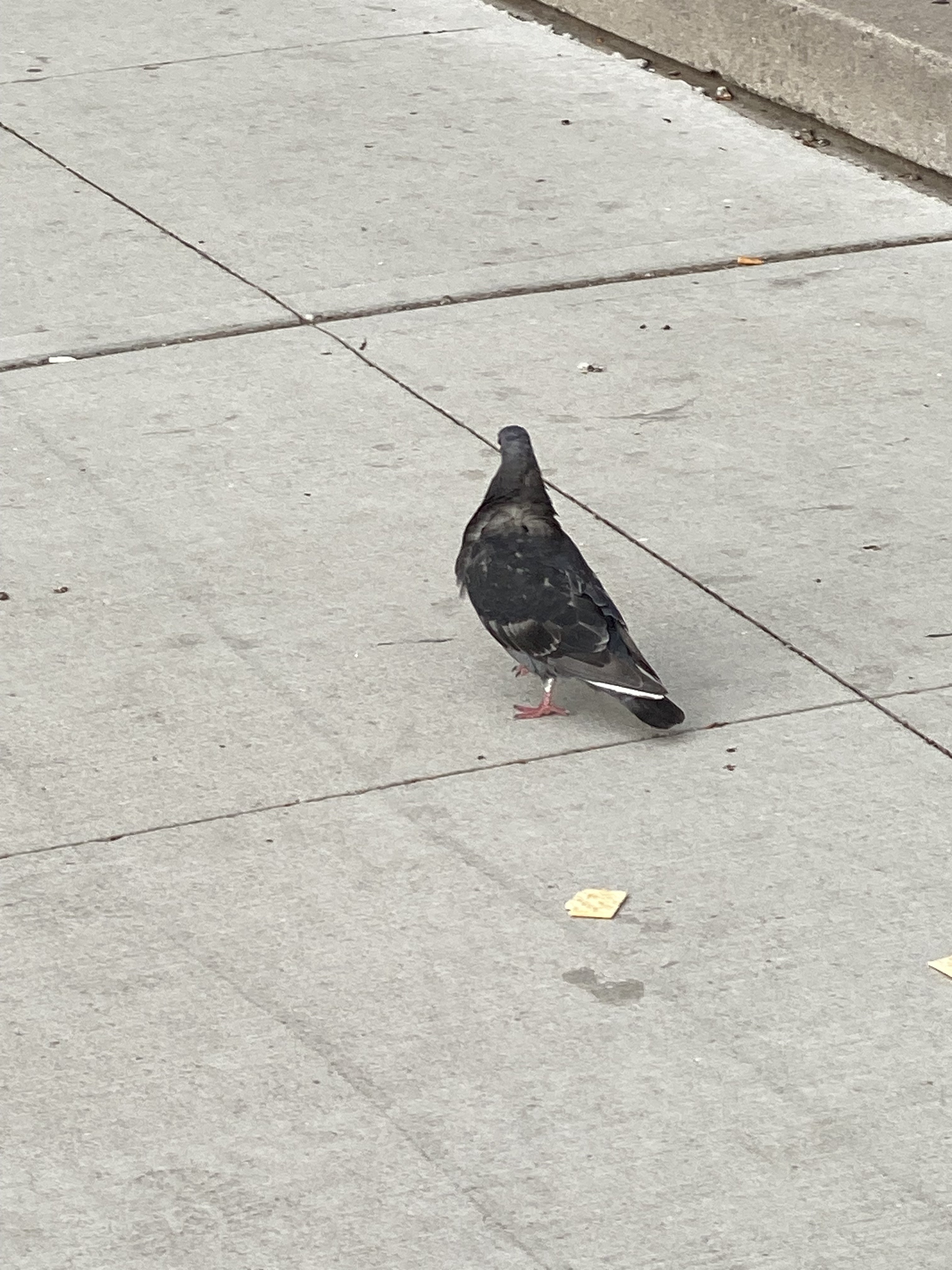
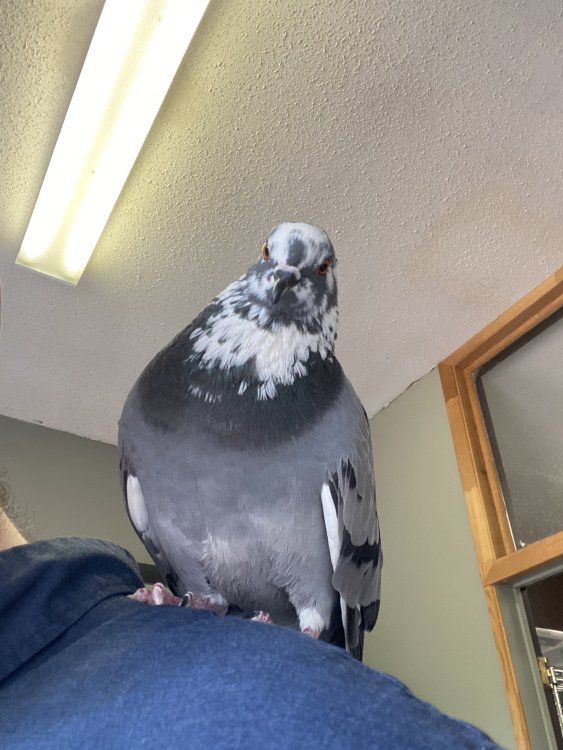
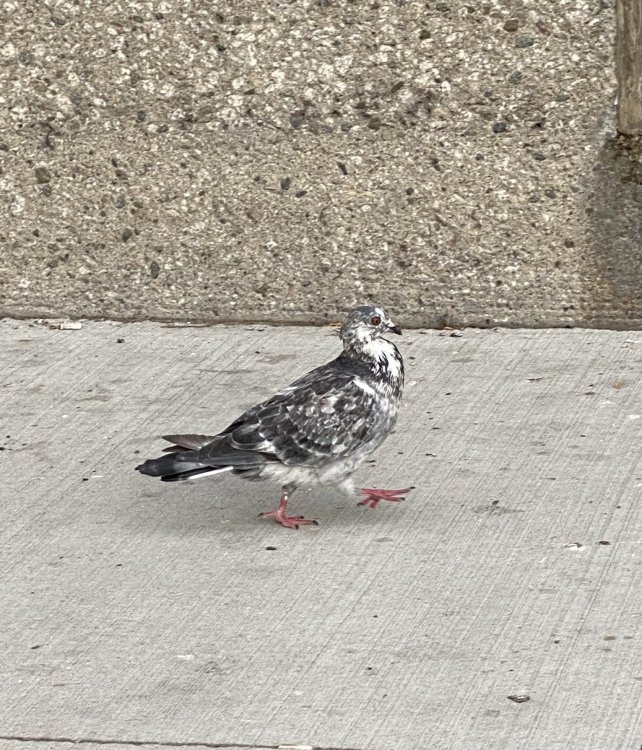
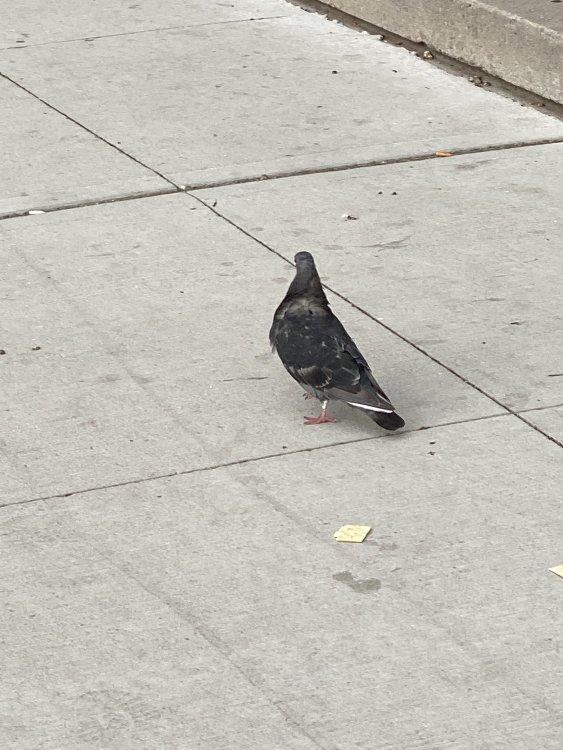
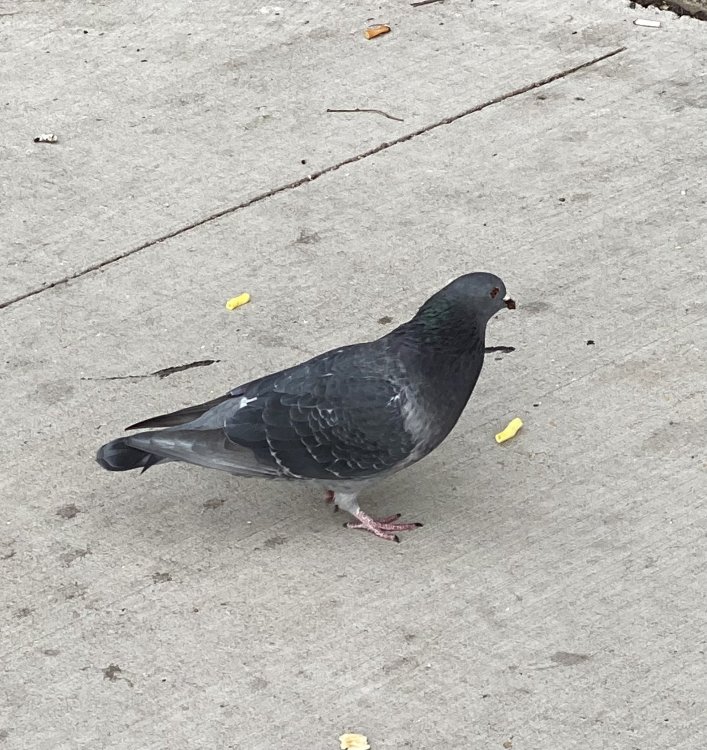
Pigeons are cute. I like them. They is birbs. And sometimes borbs. Also, blorbs sometimes. In the winter they become floofs.
-
The Longest Thread (Misadventures)
Shatter replied to ElephantEarwax's topic in Forum Games & Random Stuff
Ryna ran over, curious as ever. She looked over at Willow, “See?”, she said happily, “I told you everything would turn out right!” She turned with more worried eyes to Unintelligible, “She won't have Narration now, will she? How will she deal with that? I have… had experience with similar things.” Her eyes watered. “I know what it feels like.” -
yup.
-
The Longest Thread (Misadventures)
Shatter replied to ElephantEarwax's topic in Forum Games & Random Stuff
@Ashkaloda gimme your notes pls -
a statement for the world to know.
-
Y'know, if I ever get a pet pigeon, I'd name him Herr Federflugüberwachungsbehördenleiter von Hochdachfenstersims.
-
The Longest Thread (Misadventures)
Shatter replied to ElephantEarwax's topic in Forum Games & Random Stuff
Ryna thinks. "I don't know," she finally says. I want Ryna to grow from her current naïve state. the censorship is also necessary IRL -
Nein! Never annoy Herr Federflugüberwachungsbehördenleiter von Hochdachfenstersims! I send the entire modern Bundeswehr to destroy them.
-
*NOM*
-
The Crown calls for three days of torture and execution, with no burial. The crown wishes that proscription be enforced with execution for all.
-
It's true tho.
-
HEY!!! well now I'm still hungry *nom*
-
The Longest Thread (Misadventures)
Shatter replied to ElephantEarwax's topic in Forum Games & Random Stuff
Ryna is quiet for a long moment after Willow finishes. “A thousand pages…” she murmurs, more to herself than anyone else. (She is thread-aware, btw) Her gaze drifts back to Unintelligible, then to Sequence, her expression softening. One eye glows faintly, as if reacting to the weight of it all. “So she’s been holding it back all this time,” she says quietly. “Not healing it. Just… keeping it from spreading.” Ryna hummed softly. “She won't die.” -
Reading Sanderson and Jordan
-
I'm happy in the corner with my pigeon. Pigeons are better than Sandwiches anyway.
-
... @Brandon Sanderson Maybe?